

study-techniques
The Two-Pass Study Method: Why Reading the Material Twice Beats...
A fast survey pass followed by a deep pass produces 28% better retention than linear reading. Pacing, discipline rules, and adaptation to video courses.
Study techniques, practice tests, memory retention, time management, and test-day tips that get you passing faster.
Passing IT certification exams is not just about knowing the material - it is about knowing how to study effectively and how to perform under exam conditions. Most candidates who fail their first attempt do not fail because they are not smart enough; they fail because they prepared the wrong way: passive re-reading instead of active recall, cramming instead of spaced repetition, and neglecting practice under timed conditions.
This collection covers the science of effective exam preparation: spaced repetition, active recall, interleaved practice, test-taking psychology, and proven time management techniques. Every strategy here is grounded in cognitive science research and validated by thousands of successful certification candidates.
What you will find: Step-by-step study planning frameworks, practice test strategies, memory techniques for technical content, how to manage exam anxiety, and exactly what to do in the final days before your exam.
What to do before, during, and after your certification exam
10 articlesManaging anxiety, building confidence, and performing under exam pressure
10 articlesScience-backed techniques for retaining technical content for exams
10 articlesEffective note-taking methods for certification study
10 articlesHow to use practice tests effectively for certification preparation
10 articlesActive reading techniques for technical study materials
9 articlesUsing Anki and spaced repetition to maximize retention with less time
10 articlesScience-backed study methods including Feynman technique and interleaving
21 articlesHow to overcome test anxiety and perform at your best on exam day
9 articlesBuilding realistic study schedules and balancing certification prep with life
1 articlesA fast survey pass followed by a deep pass produces 28% better retention than linear reading. Pacing, discipline rules, and adaptation to video courses.

Configure Anki for AWS, CompTIA, and Cisco exam prep with deck structure, settings, card-writing rules, and a 6-week schedule that produces 90% retention.

Use fixed-duration boxes with binary-verifiable outcomes to beat Parkinson's Law in cert study. Box sizes, stop rules, and a working five-day weekday plan.

Stop memorizing test banks. Use confidence marking, the distractor walk, and a question journal to convert practice tests into durable AWS, CompTIA, and Cisco mastery.

Apply the 80/20 rule to AWS, Security+, and Cisco study plans. Build a leverage matrix from blueprint weights and difficulty data to focus effort where it scores.

Use Obsidian or Notion to build a linked knowledge base of concept, question, and lab notes that survives the cert exam and becomes long-term professional reference.

Use the method of loci to encode NIST CSF, OSI layers, and AWS Well-Architected pillars into spatial scenes that recall effortlessly on exam day.
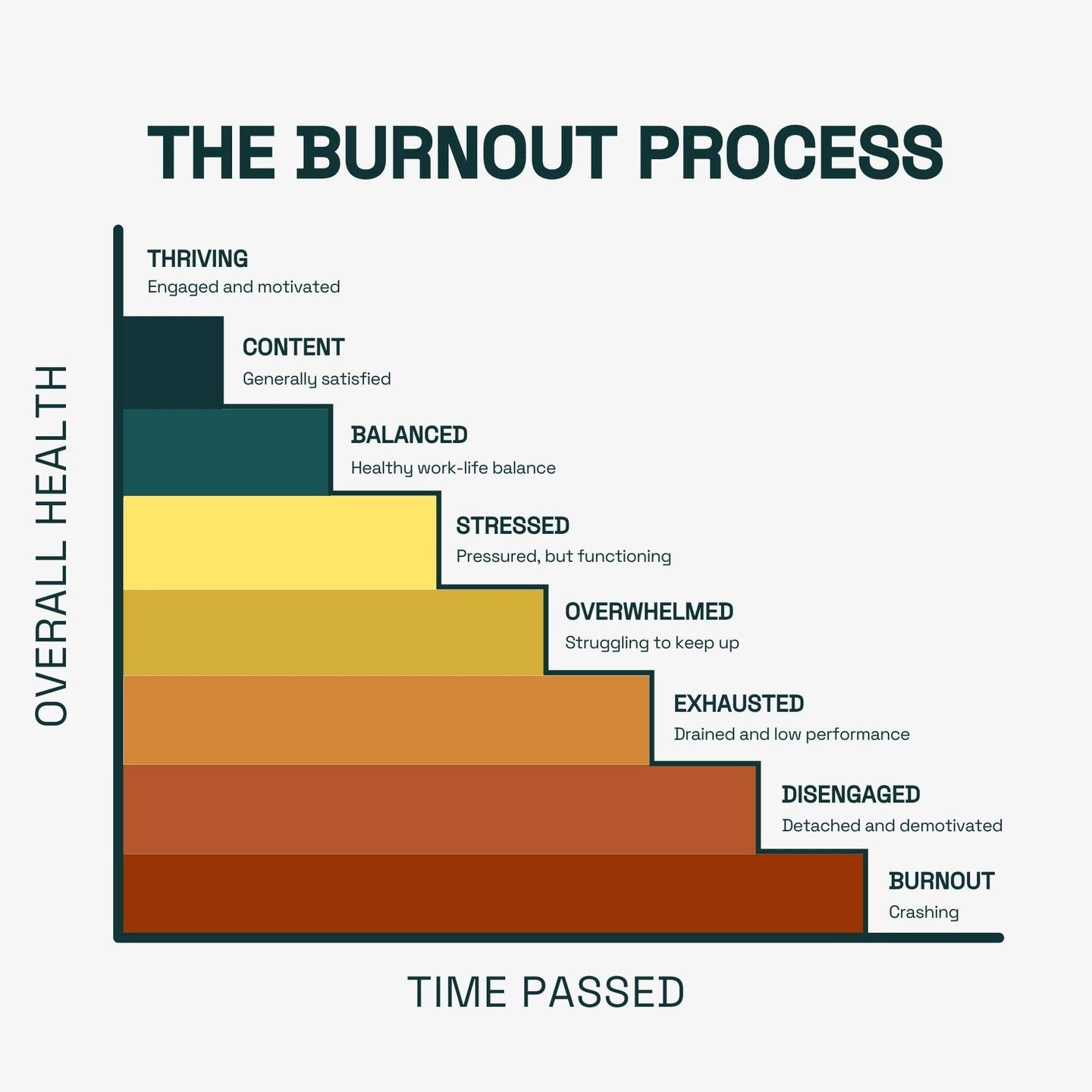
Multi-exam cert marathons fail to burnout, not difficulty. Recognize early signals, build deload weeks and inter-exam buffers, and finish the AWS triple sustainably.

A day-by-day structure for the final week before a certification exam covering practice exams, weak-spot review, flashcards, rest, and exam day execution.

A research-grounded comparison of active recall and passive review with the cognitive science evidence, practical protocols, and application to certification exams.

Evidence-based study techniques grounded in cognitive science. How working memory, spaced repetition, and sleep optimisation directly impact certification exam performance.

Research-backed guide to the night before your certification exam covering sleep, nutrition, logistics preparation, and what mistakes to avoid.
Understand the science of long-term memory formation and apply evidence-based techniques like spaced repetition and active recall to your certification study.

Discover why experienced IT professionals fail certification exams and learn evidence-based strategies to overcome the expertise trap and test anxiety.
Learn how to adapt the SQ3R reading method for IT certification study. Survey, Question, Read, Recite, and Review techniques for exam success.

Learn how to use practice exams as diagnostic tools to identify real knowledge gaps, with a four-category analysis framework and domain-level tracking system.

Learn how to adapt the Cornell Note-Taking System for technical certification study with five specific modifications for exams like AWS, CISSP, and CompTIA.

Re-reading notes creates a false sense of mastery. Learn why active recall — flashcards, closed-book write-outs, and deliberate practice testing — produces real retention for IT certification exams.

Learn how to build effective Anki flashcard decks for IT certification exams. Card writing techniques, deck structure, and spaced repetition strategies.
A ninety-minute study session with four interruptions may contain under thirty minutes of genuine focus. Learn the environment design, notification management, and internal distraction strategies that protect deep work during certification prep.

Cornell note-taking converts passive transcription into active learning by building retrieval practice directly into the page format. Learn how to apply it to AWS, CCNA, and CompTIA certification study with real examples.

Most certification study schedules fail because they are calibrated to an ideal version of yourself, not your actual available time. Learn how to build a realistic schedule with buffer time, weekly templates, and honest time estimates.

Blocked study feels productive but produces weaker exam performance. Learn how interleaving — deliberately mixing topics in practice sessions — builds the discrimination skills that certification exams actually test.

Learn how the Feynman Technique — explaining concepts in plain language to find gaps — dramatically improves retention and reasoning for AWS, CompTIA, and Cisco certification exams.

Mind mapping is most valuable in certification study as a synthesis and retrieval tool — not for note-taking, but for externalizing the connections between concepts after you have studied them. Learn how to apply it to AWS, CCNA, and Security+ domains.

Retrieval practice — free recall, spaced flashcards, committed-answer practice questions, and timed exam simulation — is the most evidence-backed study technique available. Learn how to apply each method to certification exam prep.

Learn how structured 25-minute focus blocks prevent cognitive overload and attention fragmentation during certification study — with specific applications for AWS, CompTIA, and Cisco exam prep.

Build a certification study schedule that fits around your full-time job. Time blocking, micro-sessions, and realistic planning for working professionals.

Understand the science behind test anxiety. Learn how cortisol, working memory, and worry cognitions affect certification exam performance.
Unstructured certification study groups drift into social sessions. Learn the specific session structures, role assignments, and activity formats that make collaborative certification study genuinely effective.

Manage the unique anxiety triggers of online proctored certification exams: surveillance awareness, rule violation fear, technical failure anxiety, and environmental control.

Learn how to apply for testing accommodations for anxiety disorders on certification exams with Pearson VUE, ISC2, AWS, and other providers -- documentation and timeline.

Learn why pre-exam anticipatory anxiety and in-exam performance anxiety require different strategies, and how to build separate management protocols for each phase.

Understand the physical symptoms of test anxiety -- racing heart, nausea, sweating, muscle tension -- and how to manage each with physiological techniques and preparation.

Reduce chronic test anxiety for certification exams through accumulated exam experience, belief restructuring, competence building, and professional support when needed.

Learn how to diagnose whether your certification exam struggles stem from test anxiety or under-preparation, with a diagnostic protocol and appropriate interventions for each.

Apply CBT techniques to certification exam anxiety: cognitive restructuring, behavioral rehearsal, thought stopping, and decatastrophizing with research-backed methods.

Learn diaphragmatic breathing, box breathing, and the physiological sigh for acute exam anxiety relief during certification tests -- with research on how each works.

Learn how to adjust your Anki review schedule, prioritize weak cards, and structure the final weeks of SRS-based certification study before your exam deadline.

Learn how to prioritize certification exam domains in your SRS system using exam weight and personal gap analysis to allocate flashcard creation and review effort.

Learn how to apply spaced repetition beyond fact memorization to complex concepts, causal reasoning, and application scenarios for advanced certification exams.

Learn the research-based optimal spacing intervals for certification study and how to adjust your Anki settings and manual schedules for maximum retention.

Understand how the Ebbinghaus forgetting curve and spacing effect work, and how spaced repetition systems schedule reviews to maximize long-term retention.

Learn how to create high-quality flashcards for certification exams using the minimum information principle, cloze deletion, comparison cards, and scenario prompts.

Learn how to integrate spaced repetition with reading, practice exams, video lectures, and note-taking for an effective certification study system.

Identify and fix the most common spaced repetition mistakes: overly complex cards, generous self-rating, backlog spiral, substituting for practice tests, and more.

Compare Anki, Quizlet, and Brainscape for certification exam prep -- algorithms, card types, pricing, and which tool is best for your study timeline and goals.

Understand why speed reading reduces comprehension of technical certification material and what strategies actually improve learning efficiency without sacrificing understanding.

Use NIST, AWS, PMI, and other official documentation strategically to deepen certification exam knowledge: when to read it, where to focus, and how to avoid document overload.

Design sustainable certification study reading habits with habit stacking, minimum viable sessions, cognitive peak timing, and progress tracking for 8-12 week study arcs.
Start by calculating your available time: days until the exam multiplied by daily study hours. Map the exam objectives to that time, allocating more time to domains with higher exam weight and your weakest areas. Build in review days every 1-2 weeks to consolidate what you have learned. Use practice exams weekly to track progress and identify gaps. A good rule: spend 60% of your time on active learning (practice questions, labs, flashcards) and 40% on reading or watching courses.
For most IT certification exams, completing 500-1000 unique practice questions is a strong foundation. The goal is not repetition of the same questions but exposure to varied question styles across all exam domains. You should consistently score 80-85% or higher on full-length timed practice exams before booking your real exam. Focus on understanding why wrong answers are wrong, not just why correct answers are correct.
Spaced repetition is a learning technique where you review material at increasing intervals based on how well you know it. Items you find difficult are reviewed more frequently; items you know well are reviewed less often. Research shows spaced repetition is 2-3x more effective than massed practice (cramming) for long-term retention. For certification exams, use flashcard apps like Anki to implement spaced repetition for port numbers, commands, acronyms, and technical definitions.
Exam anxiety is extremely common and manageable with the right techniques. Thorough preparation is the single most effective anxiety reducer. On exam day: arrive early, use deep breathing to activate your parasympathetic nervous system, read questions carefully and answer what you know first, skip and flag difficult questions rather than getting stuck. Treat the exam as an opportunity to demonstrate what you know, not a test of your worth.
Research consistently shows that multiple shorter study sessions (25-50 minutes with 5-10 minute breaks) are more effective than marathon sessions. The Pomodoro Technique leverages this finding. Long sessions beyond 2 hours show diminishing returns as concentration fades. Daily consistency of 1-2 hours outperforms irregular 6-hour weekend sessions, because sleep plays a critical role in memory consolidation.
The night before your exam: do a light review of your notes and key formulas (no heavy studying), prepare everything you need (ID, confirmation number), get at least 7-8 hours of sleep, avoid alcohol and limit caffeine. Do not try to learn new material. If you have prepared adequately, your last evening is best spent relaxing, eating well, and sleeping. Last-minute cramming increases anxiety without meaningfully improving performance.
Train yourself to read every word carefully, paying special attention to qualifiers like 'BEST', 'MOST', 'LEAST', 'NOT', and 'EXCEPT' which change the correct answer. Skim the answers before reading the question so you know what distinctions to look for. Practice with timed full-length exams to develop a sustainable reading pace that fits within the time limit while maintaining accuracy.