
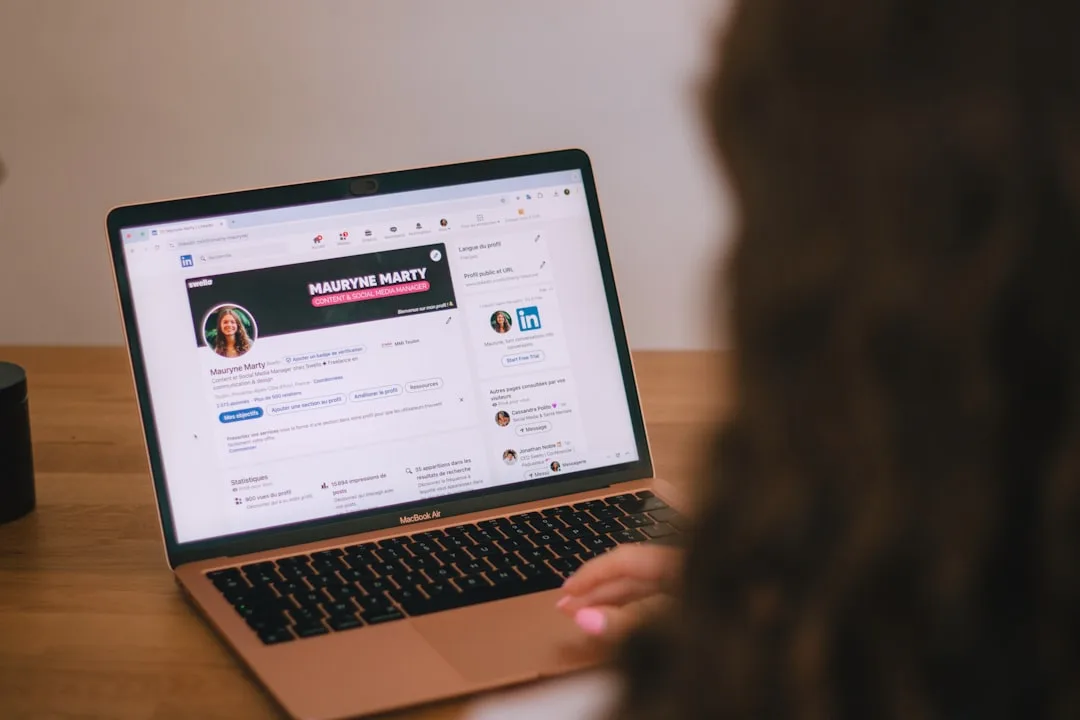
What should an IT professional put in their LinkedIn headline?
Use a keyword stack format with your primary role, key technologies, and certifications separated by pipes. For example: 'Cloud Engineer | AWS | Terraform | Kubernetes | SAA-C03 Certified. ' This format maximizes recruiter search visibility because every keyword is independently searchable and immediately communicates your specialty.
Your LinkedIn headline is 220 characters of real estate that determines whether a recruiter clicks on your profile or scrolls past it. LinkedIn's own data shows that profiles with optimized headlines receive up to 40 percent more profile views than those using the default job title format. For IT professionals, where recruiters search by specific skills, certifications, and technologies, headline optimization is not optional - it is a primary job search tool.
This article breaks down which headline formulas produce recruiter engagement, what the LinkedIn search algorithm actually prioritizes, and how to write a headline that positions you for the roles you want, not just the one you have.
How Recruiters Actually Search LinkedIn
Understanding how recruiters find candidates changes how you write your headline. Recruiters do not browse LinkedIn the way you browse a news feed. They use LinkedIn Recruiter - a premium tool that costs $8,000 to $12,000 per year per seat - to run Boolean searches against specific keywords, job titles, skills, and locations.
Boolean search - a search method using operators like AND, OR, and NOT to combine or exclude keywords, widely used by recruiters to filter LinkedIn's 1 billion member database - is the primary discovery mechanism. A recruiter looking for a cloud engineer might search: ("AWS" OR "Azure") AND "Solutions Architect" AND "Terraform" NOT "student".
Your headline is one of the most heavily weighted fields in LinkedIn's search algorithm. Keywords in your headline carry more weight than keywords buried in your experience section or skills list. If a recruiter searches for "Kubernetes" and it appears in your headline, you rank higher than a profile where Kubernetes only appears in a job description.
"I spend 80 percent of my sourcing time in LinkedIn Recruiter running keyword searches. The headline is the first thing I see in the results list before I even click into a profile. If your headline says 'Passionate professional seeking new opportunities,' I skip it. If it says 'AWS Solutions Architect | Terraform | Kubernetes | Python,' I click." - Stacy Donovan Zapar, founder of Tenfold and recognized as the most connected woman on LinkedIn, with over 20 years of recruiting experience at companies including Amazon, TripAdvisor, and Zappos
Why the Default Headline Fails
LinkedIn auto-generates your headline as your current job title and company name: "Systems Administrator at Acme Corp." This default is the worst possible choice for several reasons:
- It contains only one searchable keyword (your job title)
- It tells recruiters what you are, not what you can do
- It limits you to being found for your exact current title, missing searches for related roles
- It provides no differentiation from the thousands of other people with the same title
A 2023 analysis by LinkedIn Talent Solutions found that IT profiles with customized headlines received 31 percent more InMails from recruiters than profiles using the default format. The difference is not marginal.
The Five Headline Formulas That Work
After analyzing hundreds of successful IT professional headlines and interviewing recruiters who specialize in technology hiring, five reliable formulas emerge.
Formula 1: Keyword Stack
The keyword stack is the most recruiter-friendly format. It front-loads searchable terms separated by pipes or vertical bars.
Structure: Primary Role | Technology 1 | Technology 2 | Certification | Specialty
Examples:
Cloud Engineer | AWS | Terraform | Kubernetes | Python | SAA-C03 CertifiedCybersecurity Analyst | SIEM | Incident Response | CompTIA Security+ | CISSPDevOps Engineer | CI/CD | Docker | Jenkins | Azure DevOps | Linux
This format works because every keyword is independently searchable, and recruiters can immediately assess relevance without clicking into the profile.
Formula 2: Value Proposition
The value proposition headline tells recruiters what outcome you deliver, not just what tools you use.
Structure: Role | Outcome you deliver for employers
Examples:
Cloud Architect | Reducing AWS Costs 30-50% Through Right-Sizing and Reserved InstancesIT Security Manager | Building SOC 2 Compliance Programs for SaaS CompaniesNetwork Engineer | Designing Zero-Downtime Enterprise Networks for Financial Services
Lou Adler, CEO of The Adler Group and author of Hire With Your Head (Wiley), has argued that the strongest professional positioning focuses on outcomes rather than inputs. The value proposition headline applies this principle to your LinkedIn profile.
Formula 3: Hybrid (Keywords + Value)
The hybrid formula combines searchable keywords with a brief value statement.
Structure: Primary Role | Key Technologies | Brief Value Statement
Examples:
AWS Solutions Architect | Terraform, CloudFormation, Python | Helping Startups Scale InfrastructureCISO | CISSP, CISM | Building Enterprise Security Programs from Zero to SOC 2Data Engineer | Databricks, Spark, SQL | Turning Raw Data into Production Pipelines
Formula 4: Specialty Niche
The specialty niche headline targets a specific industry or problem domain, reducing competition for search results.
Structure: Role Specializing in Industry/Niche | Key Technologies
Examples:
Healthcare IT Consultant Specializing in HIPAA Compliance | Azure | HL7 FHIRFinTech DevOps Engineer | Kubernetes | PCI DSS | High-Frequency Trading InfrastructureEdTech Cloud Architect | AWS | Serverless | LMS Integration
Formula 5: Certification-Led
For professionals whose certifications are their primary differentiator, leading with credentials works when the certification is high-value and well-known.
Structure: Certification(s) | Role | Technologies
Examples:
CISSP | CISM | Information Security Leader | GRC | Cloud SecurityAWS SAP-C02 | Solutions Architect | Multi-Account Strategy | Cost OptimizationCKA | CKAD | Kubernetes Platform Engineer | GitOps | ArgoCD | Helm
Keyword Selection Strategy
Choosing the right keywords requires matching what recruiters search for to what you can credibly claim.
Step-by-Step Keyword Research
- Open 10-15 job postings for your target role on LinkedIn, Indeed, and company career pages
- List every technology, tool, certification, and skill mentioned in the requirements section
- Count the frequency of each keyword across all postings - the most frequently mentioned terms are what recruiters search for
- Cross-reference with your actual skills and experience - only include keywords you can defend in an interview
- Prioritize keywords by search volume and relevance to your target role
High-Value Keywords by IT Specialty
| Specialty | Top Recruiter Search Keywords |
|---|---|
| Cloud Engineering | AWS, Azure, GCP, Terraform, CloudFormation, Kubernetes |
| Cybersecurity | CISSP, SIEM, incident response, penetration testing, SOC |
| DevOps | CI/CD, Docker, Kubernetes, Jenkins, GitLab, ArgoCD |
| Network Engineering | CCNP, SD-WAN, Palo Alto, Cisco, BGP, OSPF |
| Data Engineering | Spark, Databricks, Airflow, SQL, Python, dbt |
| IT Management | ITIL, PMP, ServiceNow, IT strategy, vendor management |
Search engine optimization (SEO) for LinkedIn follows the same basic principle as SEO for websites: put the terms people search for in the places the algorithm weights most heavily. For LinkedIn, the headline is the title tag equivalent.
What to Avoid in Your Headline
Certain headline patterns actively hurt your visibility and recruiter engagement:
- "Seeking new opportunities" or "Open to work" - use the LinkedIn Open to Work feature instead; putting this in your headline wastes keyword space and signals desperation
- Buzzwords without substance: "passionate," "innovative," "results-driven," "guru," "ninja," "rockstar" - these are not searchable keywords and they communicate nothing
- Current company name only: unless your company is a major brand (Google, Amazon, Microsoft), it adds no search value
- Vague generalities: "IT Professional" or "Technology Specialist" is too broad to match any specific recruiter search
- Hashtags: LinkedIn hashtags in headlines do not improve search ranking and waste character space
Keyword stuffing - the practice of cramming as many keywords as possible into a field regardless of readability or relevance - is counterproductive. Recruiters will skip profiles that read like a keyword dump. Limit your headline to 5-8 keywords maximum and ensure it reads as coherent text.
Optimizing Beyond the Headline
The headline gets you into search results. The rest of your profile converts a click into a message from the recruiter.
The Profile Checklist for IT Professionals
- Professional photo: LinkedIn reports that profiles with photos receive 21 times more profile views and 36 times more messages
- Banner image: use a banner that reinforces your specialty - a cloud architecture diagram, a certification badge collection, or your company logo if it is well-known
- About section: 3-5 paragraphs covering what you do, what technologies you specialize in, what problems you solve, and what type of roles interest you; include keywords naturally
- Experience section: for each role, lead with accomplishments and metrics rather than responsibilities; use bullet points with quantified results
- Skills section: add exactly 50 skills (the maximum) with the most important ones first, because recruiters filter by skills
- Certifications section: list every active certification with the vendor, date earned, and credential ID; this section is separately searchable
Greg Jorgensen, a senior technical recruiter at Microsoft who has sourced thousands of IT professionals through LinkedIn, has observed that the most recruitable profiles share a pattern: specific headline, quantified accomplishments, complete skills section, and at least three recommendations from people who can speak to their technical ability.
Testing and Iterating Your Headline
Your headline is not permanent. Treat it like a hypothesis and test it.
- Write three headline variations using different formulas from this article
- Run the first headline for two weeks and record your profile view count and search appearances from the LinkedIn dashboard
- Switch to the second headline for two weeks and compare the metrics
- Keep the winner and iterate further by testing individual keyword changes
A/B testing - comparing two versions of something by measuring their performance against the same metric - works on LinkedIn because the platform provides weekly analytics on profile views, search appearances, and the keywords people used to find you.
LinkedIn provides search appearance data that shows which keywords brought recruiters to your profile. If you are appearing for the wrong keywords, your headline needs adjustment. If you are appearing for the right keywords but not getting InMails, the problem is likely in your About section or experience entries, not your headline.
Common Headline Mistakes by IT Specialty
Different IT specialties tend toward different headline mistakes. Recognizing the patterns in your own specialty helps you avoid them.
Cloud Engineers
The most common mistake cloud engineers make is listing every AWS service they have ever touched. A headline like AWS | EC2 | S3 | Lambda | RDS | DynamoDB | CloudFront | Route 53 | IAM | ECS | EKS is unreadable and signals a generalist rather than a specialist. Instead, focus on the two or three services that define your primary competency and add the architectural outcome you deliver.
A better approach: AWS Solutions Architect | Serverless Architecture | Cost Optimization | SAA-C03 | Python. This headline is searchable, readable, and communicates both technical depth and business value. The certification code validates the claim without requiring the recruiter to take it on faith.
Cybersecurity Professionals
Security professionals often default to listing every security tool or framework they know. The problem is that recruiters search for roles and capabilities, not tool lists. Instead of Splunk | CrowdStrike | Palo Alto | Nessus | Wireshark | Metasploit, try Cybersecurity Engineer | Threat Detection and Incident Response | CISSP | SOC Operations | Cloud Security. The second version matches how recruiters actually structure their Boolean queries.
ISACA's 2024 State of Cybersecurity Report found that employers searching for cybersecurity professionals use role-based terms like "incident response" and "threat intelligence" 3.5 times more often than specific tool names. Your headline should reflect how buyers search, not how you catalog your skills internally.
DevOps Engineers
DevOps headlines frequently suffer from the opposite problem - they are too abstract. "DevOps enthusiast passionate about automation and continuous improvement" contains zero searchable keywords. The recruiter searching for "Kubernetes" AND "CI/CD" AND "Terraform" will never find this profile.
The fix is straightforward: DevOps Engineer | Kubernetes | Terraform | CI/CD | AWS | GitOps | Platform Engineering. Every term in this headline is a real search term that recruiters use. The specificity does not limit your opportunities; it increases your visibility for the roles you actually want.
IT Managers and Directors
Leadership-level IT professionals often undervalue the headline because they believe their experience section does the heavy lifting. But recruiters sourcing for VP of Engineering or IT Director roles still use keyword searches, and the headline determines whether you appear in results.
For management roles, include scope indicators: team size, budget, industry vertical, or transformation type. "IT Director | Led 40-Person Engineering Org | Cloud Migration | Healthcare | HIPAA Compliance" tells a recruiter more in one line than three pages of job descriptions.
The LinkedIn Algorithm and Headline Weight
Understanding how LinkedIn's search algorithm weights different profile fields helps explain why headline optimization produces outsized results.
LinkedIn does not publish its exact algorithm, but extensive testing by recruiters and LinkedIn optimization specialists reveals a consistent hierarchy. Profile fields ranked by search weight:
- Headline - highest weight, directly displayed in search results
- Current job title - second highest, but only reflects your current role
- Skills section - weighted in aggregate, particularly the top three endorsed skills
- About section - moderate weight, but longer text means keyword density is lower
- Experience section - moderate weight, but buried in the profile
- Recommendations - low direct search weight but high conversion influence
This hierarchy means that a keyword appearing in your headline is worth roughly two to three times the same keyword appearing only in your experience section. For IT professionals competing against hundreds of other candidates with similar backgrounds, this multiplier effect makes headline optimization the single highest-ROI activity on your LinkedIn profile.
Profile completeness score - LinkedIn's internal metric that rates how thoroughly you have filled out your profile sections, with profiles scoring "All-Star" (the highest level) receiving up to 40 times more opportunities than incomplete profiles - also factors into search ranking. All-Star status requires a photo, headline, summary, current position, education, skills (minimum 5), and at least 50 connections. The headline is one of seven required fields, and unlike the others, it directly controls which search queries return your profile.
Viveka von Rosen, a LinkedIn marketing expert and co-founder of Vengreso, has observed through analysis of thousands of LinkedIn profiles that IT professionals who optimize their headline and then update it quarterly to reflect current market terminology see sustained increases in recruiter engagement of 25-40 percent compared to profiles with static headlines.
Industry-Specific Headline Examples
For Career Switchers
Career switchers face the challenge of appearing credible without extensive IT experience. Lead with certifications and transferable skills:
AWS Certified Cloud Practitioner | Former Financial Analyst | Data-Driven Infrastructure DecisionsCompTIA Security+ | Career Changer from Healthcare | HIPAA Compliance + CybersecurityITIL 4 Certified | 15 Years Operations Management | Transitioning to IT Service Management
For Senior IT Leaders
Senior leaders should emphasize scope and outcomes over individual technologies:
VP of Engineering | Scaled Teams from 5 to 50 | Cloud-Native Architecture | Series B-D StartupsCISO | Built Security Programs at Three Public Companies | CISSP | CISM | Board-Level CommunicationIT Director | $5M+ Budget Management | Digital Transformation | Healthcare and Financial Services
For Freelancers and Consultants
Freelancers need headlines that attract clients, not employers:
AWS Cloud Consultant | Helping Mid-Market Companies Migrate to Cloud | Cost Optimization SpecialistFractional CISO | SOC 2 and ISO 27001 Compliance for Startups | CISSPDevOps Consultant | Kubernetes, Terraform, CI/CD | Building Platform Engineering Teams
See also: optimizing your resume for IT roles, how to find remote IT jobs, networking strategies for IT job searches
References
- LinkedIn Talent Solutions. "LinkedIn Recruiter Product Usage Data 2023." LinkedIn, 2023.
- Zapar, Stacy Donovan. "The Recruiter's Guide to LinkedIn Sourcing." Tenfold Blog, 2024.
- Adler, Lou. Hire With Your Head: Using Performance-Based Hiring to Build Outstanding Diverse Teams. 4th ed., Wiley, 2021.
- LinkedIn Economic Graph. "Workforce Confidence Index: IT Sector Report 2024." LinkedIn, 2024.
- Robert Half Technology. "2025 Technology Salary Guide." Robert Half International, 2025.
Frequently Asked Questions
What should an IT professional put in their LinkedIn headline?
Use a keyword stack format with your primary role, key technologies, and certifications separated by pipes. For example: ‘Cloud Engineer | AWS | Terraform | Kubernetes | SAA-C03 Certified.’ This format maximizes recruiter search visibility because every keyword is independently searchable and immediately communicates your specialty.
Does the LinkedIn headline affect recruiter search results?
Yes. The headline is one of the most heavily weighted fields in LinkedIn’s search algorithm. Keywords in your headline rank higher than the same keywords in your experience section or skills list. LinkedIn’s data shows that profiles with optimized headlines receive up to 40 percent more profile views than those using the default job title format.
Should I put 'Open to Work' in my LinkedIn headline?
No. Use the LinkedIn Open to Work feature instead, which is visible only to recruiters. Putting ‘Seeking new opportunities’ in your headline wastes valuable keyword space and can signal desperation to hiring managers. That character count is better used for searchable technologies, certifications, and role-specific keywords.